Siding Contractor in Concord NC for Repair and Replacement Projects
Siding does more than give a house a finished look. In Concord, it acts as the first layer of defense against long humid summers, hard rain, wind-driven storms, and the occasional cold snap that finds every weak seam on the exterior. When siding starts to fail, the problem rarely stays cosmetic for long. Moisture gets behind panels, trim begins to soften, insulation loses effectiveness, and small maintenance issues turn into expensive structural repairs.
That is why choosing the right siding contractor Concord NC homeowners can trust matters so much. The work sits in plain view every day, but its real value shows up in what you do not see: dry wall cavities, sound sheathing, stable indoor temperatures, and fewer repair surprises after a storm. Good siding work is part craftsmanship, part building science, and part judgment. It is not only about fastening new material to a wall. It is about understanding drainage planes, expansion gaps, flashing transitions, trim integration, and how the siding system works alongside the roof, gutters, windows, and foundation.
Homeowners often start looking for a siding company because something obvious catches their eye. A warped panel near the back patio. Faded boards on the south-facing elevation. Cracks after hail. Rot around a window. Sometimes the trigger is less direct. A high energy bill leads to an inspection. A home sale prompts a closer look. A roofing contractor Concord NC residents already know from a previous job points out that the siding near the roofline has begun to fail. Exterior systems overlap, and experienced contractors know that one problem often exposes another.
What siding problems look like in Concord homes
Concord homes see a wide range of exterior wear, partly because construction styles vary from older neighborhoods with wood-based materials to newer communities built with vinyl, engineered products, and fiber cement. Each material fails a little differently.
Vinyl siding usually announces trouble through visible movement. Panels ripple, buckle, or pull loose in windy sections of the house. Sometimes that is installation error, especially if nails were driven too tight and the panels cannot expand and contract. Other times the issue starts underneath, where moisture has damaged the substrate and the wall no longer provides a flat surface. After strong summer storms, it is common to see loose corners or damage around gable ends where wind pressure is highest.
Fiber cement tends to hold its shape better, but the vulnerable points are often caulk joints, butt joints, and improperly flashed penetrations. If water gets behind the cladding repeatedly, the wall assembly can deteriorate even when the siding surface still looks decent from the street. Wood and engineered wood products have their own telltale signs. Paint peels, edges swell, lower courses soften near splash zones, and trim boards at windows begin to show decay before the field siding does.
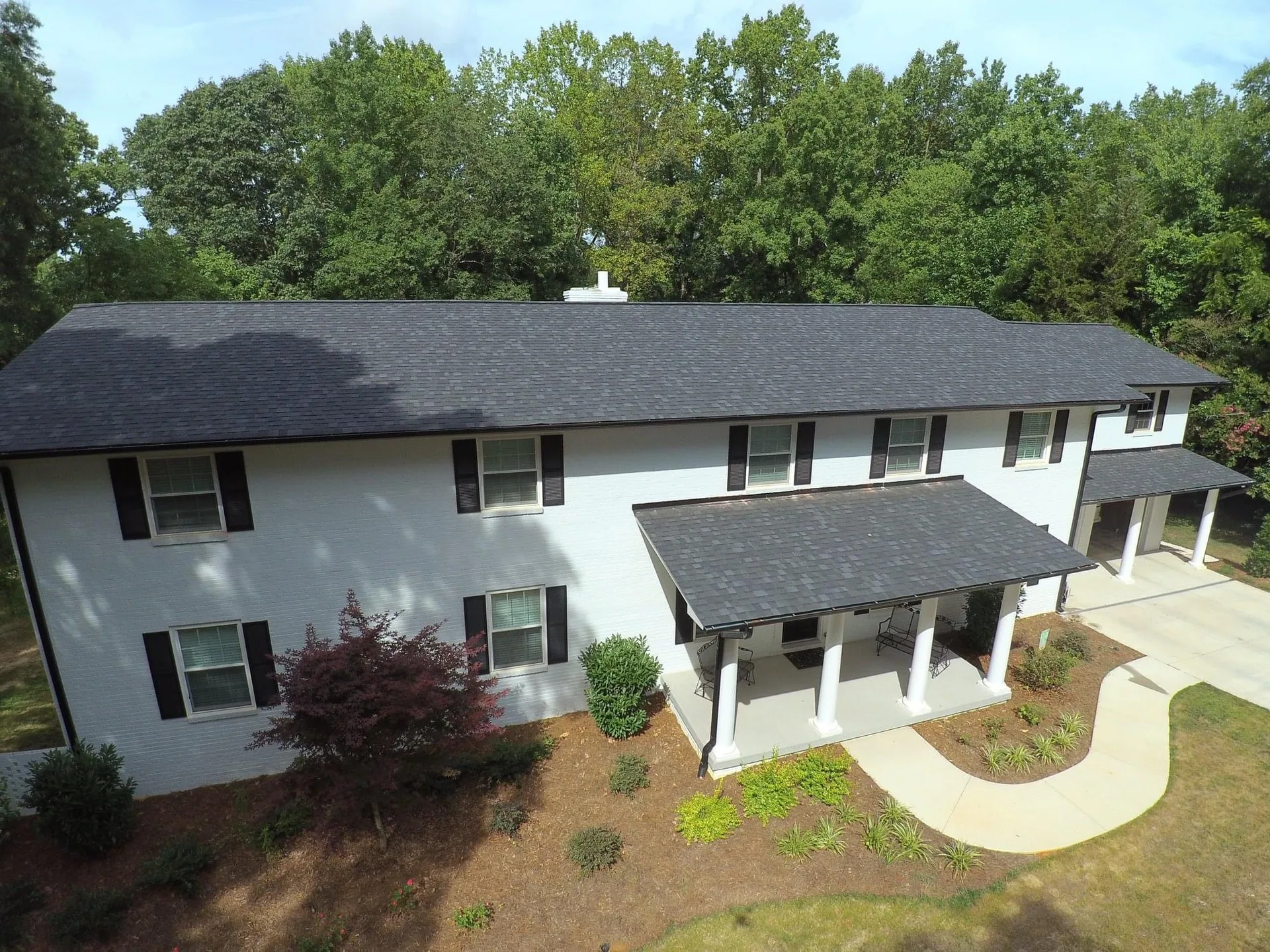
One of the more costly patterns I have seen on exterior projects starts with a small neglected issue around a single opening. A homeowner notices a bit of discoloration below a second-floor window and assumes it is only paint failure. By the time the siding is removed, the trim, sheathing, and part of the framing need repair. The siding itself was not the only problem. It was simply the first visible symptom.
Repair or replacement, the right answer depends on the wall, not just the panel
Homeowners often ask a fair question: can this be repaired, or do I need full replacement? The honest answer depends on more than the damaged section you can see. A careful contractor evaluates exposure, age, manufacturer match, substrate condition, and whether the original installation was done correctly.
A targeted repair makes sense when the damage is localized and the surrounding system is still sound. If a lawn tool cracked a few panels, if a branch struck one corner of the house, or if wind lifted a limited section without allowing prolonged water intrusion, repair can be practical and cost-effective. Color match is sometimes the biggest challenge, especially on older vinyl that has faded unevenly in the sun.
Replacement becomes the smarter investment when the siding has widespread brittleness, repeated moisture issues, poor original detailing, or multiple elevations with visible wear. I have seen homeowners spend money on patchwork twice in three years, then replace everything anyway because the underlying problems were never addressed. That is frustrating and avoidable when the inspection is thorough from the start.
Here are common signs that replacement is usually worth discussing seriously:
- Panels or boards are damaged across several elevations, not just one isolated area.
- Moisture has reached the sheathing, trim, or framing behind the siding.
- The current material is outdated or discontinued, making repairs look obvious.
- Energy performance is poor and the wall assembly lacks proper weather protection.
- Repeated repairs have not stopped leaks, drafts, or movement.
The right contractor will not default to the larger job every time. In practice, a good siding company earns trust by showing where repair is sufficient and where replacement prevents recurring expense.
The connection between siding, roofing, and gutters
Siding does not fail in isolation very often. On many homes, the real root cause sits above it. Overflowing gutters dump water down a wall. Missing kickout flashing sends roof runoff behind the siding where a roofline meets a sidewall. A poorly detailed chimney or dormer leaks into the wall cavity. This is one reason homeowners often benefit from working with a company that understands the full exterior envelope, not just one trade in a vacuum.
If you have recently dealt with roof repair Concord NC issues, it is wise to inspect the siding as well, especially around eaves, rake walls, roof-to-wall intersections, and window heads below valleys. Storms that damage shingles can also loosen siding, bend fascia, and stress gutter attachments. The same is true after storm damage roof repair Concord NC calls. Hail, wind, and flying debris do not respect trade boundaries.
A reliable contractor should look up before looking only straight ahead. On houses with chronic moisture staining, I often find the answer at the gutter line. Improper pitch, clogged downspouts, or short downspout discharge can keep the lower wall wet for months. In those cases, gutter installation Concord NC service is not a side note. It is part of fixing the actual problem.
The best exterior contractors treat the house as a system. If a homeowner calls about siding but the evidence points to a roof edge leak, a wall flashing defect, or gutter overflow, that should be explained clearly. Sometimes the repair scope includes more than one trade. That is not upselling when it is justified. It is proper diagnosis.
What a solid siding inspection should include
A quick glance from the driveway is not an inspection. A proper exterior assessment takes time and should include both visible symptoms and likely concealed risks. Contractors who do this well tend to be methodical. They walk the full perimeter, check vulnerable transitions, press suspect trim areas, examine caulk failure patterns, and note where water is likely entering or lingering.
Inside the home, they may ask about staining, musty odors, drafts, or rooms that run hotter and colder than the rest of the house. Those details matter. Exterior failures often reveal themselves https://www.dry-sky.com/windows/ indoors long before the wall is opened.
When a company also offers residential roofing Concord NC services, the inspection can be even more useful because roof runoff patterns, flashing details, and drainage issues are part of the same conversation. A free roof inspection Concord NC homeowners request after a storm sometimes uncovers siding and trim damage at the same time. That saves time and keeps the repair plan coordinated.
Documentation matters too. Clear photos, marked problem areas, and a written scope help a homeowner compare proposals honestly. Without that detail, one estimate may appear much lower simply because it leaves out substrate repair, trim replacement, or disposal.
Material choices and how they perform in real conditions
Siding selection should reflect the house, the budget, and the owner’s maintenance expectations. Marketing often makes every product sound ideal. Field conditions are less forgiving.
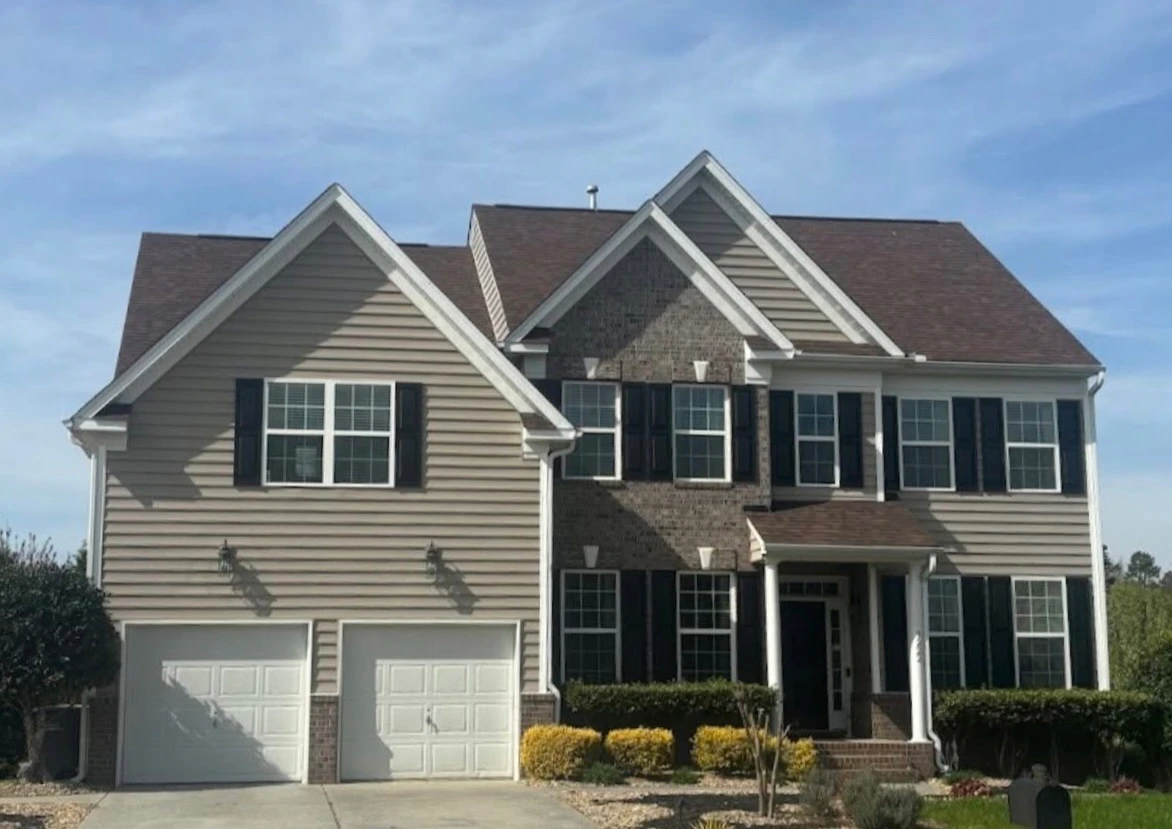
Vinyl remains popular because it is cost-effective, low maintenance, and available in a wide range of profiles and colors. For many homeowners, it is a sensible choice. Still, not all vinyl is equal. Thinner products can feel flimsy and may show waviness more easily if the wall is imperfect or the installer rushes the fastening. Better grades perform well when installed over a properly prepared surface with attention to movement and trim detailing.
Fiber cement offers a more rigid, substantial appearance and tends to appeal to homeowners who want stronger curb presence. It is durable, but installation quality is critical. Joint treatment, clearances from roofs and grade, and paint maintenance all matter. A fiber cement job that ignores those basics can create expensive callbacks.
Engineered wood sits in the middle for some projects, offering a traditional look with factory-finished options. It can work well, but only when the details are respected. If edge sealing, flashing, and water management are neglected, performance suffers fast.
For older homes, selective repair on existing wood siding may be the best call when the goal is to preserve character. Replacement is not always the most thoughtful option. Sometimes restoration, targeted board replacement, and a disciplined paint system offer a better long-term result than switching materials entirely.
Storm damage changes the timeline
After a major storm, siding decisions often move from elective to urgent. Wind can pull panels free. Hail can crack brittle surfaces or bruise painted finishes. More importantly, storms can open pathways for water intrusion that are not obvious right away. A house may look mostly intact from the curb while one elevation is taking on water around loosened trim or damaged flashing.
That is when emergency roof repair Concord NC calls often overlap with siding assessments. If tree impact, wind uplift, or roof edge damage occurred, the safest approach is to inspect the full exterior promptly. Temporary protection may be needed before permanent repairs begin, especially if exposed sheathing or open wall sections are involved.
Insurance adds another layer. A contractor who documents storm-related exterior damage clearly can help the homeowner understand what is repairable, what requires replacement, and what falls outside the claim. Precision matters here. Vague descriptions rarely help anyone. Photos of impact marks, lifted sections, moisture damage, and related roof conditions make the process smoother.
Workmanship details that separate a solid job from a short-lived one
Most homeowners can tell when new siding looks sharp on day one. Fewer can tell whether it was assembled to stay that way. That difference shows up in the details.
Starter alignment is one of the first things I notice. If the first course is off, the whole elevation can telegraph the problem. Around windows and doors, proper flashing and trim integration matter more than decorative upgrades. Water has predictable habits. It follows gravity, capillary action, and wind pressure. Good installers respect that. They do not rely on caulk as the primary defense where layered flashing should do the real work.
Nailing technique is another common issue, especially with vinyl. Overdriven fasteners can distort the panel and restrict movement. Underdriven or inconsistent fastening can make sections chatter in the wind. Clearance at roofs, decks, masonry, and grade matters too. Siding should not be asked to live in constant contact with moisture-prone surfaces.
When replacement includes house wrap or other weather-resistant barriers, the sequencing needs to be correct. The barrier should tie into flashings, not just sit behind the siding in disconnected pieces. This is not glamorous work, but it often determines whether the wall performs well five years later.
How to compare contractors without getting lost in the numbers
The cheapest estimate and the best value are rarely the same thing. Exterior proposals can vary widely because contractors make different assumptions about prep work, trim scope, underlying damage, and accessory components. A lower bid may omit what a more experienced contractor knows is almost certain to be necessary.
Before signing, ask for clarity on a few specific points:
- What happens if damaged sheathing or framing is discovered after removal?
- Are flashings, house wrap transitions, and trim replacement included in the scope?
- Will the new siding tie into rooflines, gutters, and existing openings correctly?
- Is debris removal and site protection spelled out in writing?
- Who is supervising the project day to day?
Those answers often tell you more than the price alone. So does the contractor’s willingness to discuss limitations. For example, on partial replacements, a responsible company should explain color mismatch risk upfront. On older homes, they should address what may be uncovered once walls are opened. Caution is not a red flag when it is specific and grounded in experience.
Credentials matter, but they need context. If a company is an Owens Corning preferred contractor Concord NC homeowners recognize for roofing, that speaks to one area of expertise and manufacturer relationship. It does not automatically prove siding skill, though it can indicate that the business is established and serious about exterior work. The better question is whether they understand how roofing, siding, gutters, and flashing operate together on your particular house.
Timing, scheduling, and what homeowners should expect during the job
Siding projects can move quickly on paper and slowly in real life. Weather delays, hidden damage, product lead times, and coordination with gutter or roof work all affect schedule. A straightforward repair may take a day or two. A full replacement on an average-size home can range from several days to a couple of weeks depending on complexity, crew size, trim work, and condition of the underlying structure.
Homeowners should expect noise, staging, and a certain amount of disruption around the perimeter. Shrubs may need to be protected or trimmed back for access. Exterior lights, downspouts, shutters, and house numbers often come off and go back on. If the contractor is replacing sections near utility penetrations or service lines, careful coordination matters.

Good communication helps. A project manager should explain what happens first, where materials will be placed, and how change orders are handled if hidden damage appears. That last point matters more than most people realize. On older homes especially, nobody can guarantee the exact condition behind every wall until demolition begins. The key is transparency, not false certainty.
Why local experience in Concord makes a difference
Exterior work is local by nature. Climate, neighborhood construction patterns, code expectations, and even common builder habits shape what a contractor is likely to encounter. A company with real experience in Concord is more likely to recognize recurring issues such as sun exposure patterns on certain elevations, moisture trouble at common roof-to-wall intersections, and the way storm seasons affect scheduling and repair urgency.
Local knowledge also improves material recommendations. What looks great in a brochure may not be the best fit for a shaded lot with limited airflow, or for a home with heavy tree cover and repeated debris on the roof and in the gutters. A contractor who works in the area consistently can speak to how products age here, not just how they are supposed to perform in theory.
That same local perspective helps when siding work overlaps with roof replacement Concord NC projects. Many homeowners choose to coordinate exterior updates together, especially if trim, fascia, gutters, and roof edges all need attention. Bundling the work can reduce redundant labor and make the finished exterior look more cohesive, but only when the sequencing is managed well.
The real payoff of getting siding work done right
Fresh siding improves curb appeal immediately, but the deeper value is protection. A well-executed repair or replacement stabilizes the exterior, reduces moisture risk, supports energy performance, and gives the rest of the home a better chance to age gracefully. It also cuts down on the drip-drip-drip effect of recurring maintenance, where one neglected wall section keeps demanding money and attention year after year.
For homeowners in Concord, siding is not a decorative afterthought. It is one of the key systems standing between the house and the weather. Choosing a siding contractor Concord NC residents can rely on means looking beyond the sales pitch and into the details of inspection, diagnosis, material choice, and workmanship. The right contractor sees the full exterior picture, tells the truth about repair versus replacement, and builds a scope that solves the actual problem instead of covering it up for one more season.
That level of work is harder to find than flashy advertising might suggest, but when you do find it, the difference is obvious. The walls stay dry. The trim stays sound. The lines look clean. And the house feels finished in the way only good exterior work can make it feel.
Legal name: Dry Sky Roofing, LLC
Address: 1502 S Cannon Blvd, Kannapolis, NC 28083
Phone: (704) 412-3636
Website: https://www.dry-sky.com/
Email: [email protected]
Hours:
Monday: 7:00 AM - 8:00 PM
Tuesday: 7:00 AM - 8:00 PM
Wednesday: 7:00 AM - 8:00 PM
Thursday: 7:00 AM - 8:00 PM
Friday: 7:00 AM - 8:00 PM
Saturday: 7:00 AM - 8:00 PM
Sunday: 7:00 AM - 8:00 PM
Open-location code: F9FQ+GG Kannapolis, North Carolina, USA
Latitude/Longitude: 35.4738099, -80.6112263
Map/listing URL: https://www.google.com/maps/place/Dry+Sky+Roofing/@35.4738099,-80.6112263,710m/data=!3m2!1e3!4b1!4m6!3m5!1s0x885408f56c93b733:0x64dbd358cc3a0b3a!8m2!3d35.4738099!4d-80.6112263!16s%2Fg%2F11cspjmy7_
Embed iframe:
Socials:
https://www.facebook.com/people/Dry-Sky-Roofing/61554273361026/
https://www.instagram.com/dryskyroofing/
https://www.linkedin.com/company/dry-sky-roofing
Dry Sky Roofing is a Kannapolis-based roofing contractor serving homeowners and property owners across the Concord, Kannapolis, and Charlotte region.
The company provides roof replacement, roof repair, gutter work, siding, windows, skylights, and commercial roofing services.
Dry Sky Roofing serves listed areas that include Kannapolis, Concord, Charlotte, Lake Norman, Gastonia, Hickory, Statesville, and nearby communities.
Customers can contact the team for roofing inspections, repair recommendations, replacement planning, and exterior project questions.
The company presents itself as family-owned, locally operated, licensed, and insured, with public contractor profiles available for homeowners to review.
For help with a roof repair, replacement, gutter project, or exterior improvement, call (704) 412-3636 or visit https://www.dry-sky.com/.
The public Google listing places Dry Sky Roofing at 1502 S Cannon Blvd in Kannapolis, giving customers a local map reference before scheduling service.
Because roofing needs vary by property, customers should confirm inspection timing, project scope, warranty details, and current business hours directly before booking.
Popular Questions About Dry Sky Roofing
What does Dry Sky Roofing do?
Dry Sky Roofing provides roofing and exterior services, including roof replacement, roof repair, gutters, siding, windows, skylights, and commercial roofing.
Where is Dry Sky Roofing located?
Dry Sky Roofing is listed at 1502 S Cannon Blvd, Kannapolis, NC 28083.
What areas does Dry Sky Roofing serve?
The official website lists service coverage for the Concord, Kannapolis, and Charlotte region, including Charlotte, Lake Norman, Concord-Kannapolis, Gastonia, Hickory, Statesville, and nearby communities.
Is Dry Sky Roofing licensed and insured?
The company presents itself as licensed and insured on its official website. Homeowners should still confirm current licensing, insurance, and project documentation before work begins.
Does Dry Sky Roofing handle storm damage?
Yes. The website describes help with roof inspections, storm damage documentation, repair recommendations, and insurance-claim support.
How does the roofing process usually start?
The website describes a process that begins with a call or inspection request, followed by an inspection, written options, scheduling, project work, and a final walkthrough.
What are Dry Sky Roofing’s business hours?
Hours should be confirmed directly before visiting or scheduling, because public sources display conflicting hours for the business.
How do I contact Dry Sky Roofing?
Call (704) 412-3636, email [email protected], visit https://www.dry-sky.com/, or find them on https://www.facebook.com/people/Dry-Sky-Roofing/61554273361026/, https://www.instagram.com/dryskyroofing/, and https://www.linkedin.com/company/dry-sky-roofing.
Landmarks Near Kannapolis, NC
Downtown Kannapolis — A central district with restaurants, entertainment, and public gathering spaces; homeowners near downtown can contact Dry Sky Roofing to confirm local service availability. GEO link
Atrium Health Ballpark — A major downtown venue and home of the Kannapolis Cannon Ballers; a practical landmark for roofing projects near the city center. GEO link
Village Park — A well-known Kannapolis park at 700 West C Street with family attractions and community events; nearby homeowners can call for roof repair or replacement scheduling. GEO link
Gem Theatre — A historic downtown theater and local landmark; property owners near the downtown corridor can contact Dry Sky Roofing for inspection options. GEO link
North Carolina Music Hall of Fame — A notable cultural destination in Kannapolis and a useful reference point for projects near downtown. GEO link
Dale Earnhardt Tribute Plaza — A motorsports-related landmark in Kannapolis; residents nearby can request roofing or exterior service information from Dry Sky Roofing. GEO link
Veterans Park — A downtown-area public space and useful point of reference for local service calls. GEO link
North Carolina Research Campus — A major research and business area in Kannapolis; nearby property owners can call to confirm roofing and exterior service coverage. GEO link
S Cannon Boulevard — A key Kannapolis roadway and the corridor for Dry Sky Roofing’s listed address; customers nearby can use it as a location reference when scheduling. GEO link
US 29 / Cannon Boulevard Corridor — A major local route through Kannapolis and nearby Concord; homeowners along this corridor can contact Dry Sky Roofing for service-area confirmation. GEO link
Concord-Kannapolis Area — A primary service area named by the company; customers in nearby Concord or Kannapolis neighborhoods can call before booking to confirm scheduling and project fit. GEO link
Lake Fisher Area — A local residential and outdoor reference point in Kannapolis; homeowners nearby can request roof inspection and exterior service information. GEO link